Suez Canal Crisis: How it affects the supply chain today
5 min read
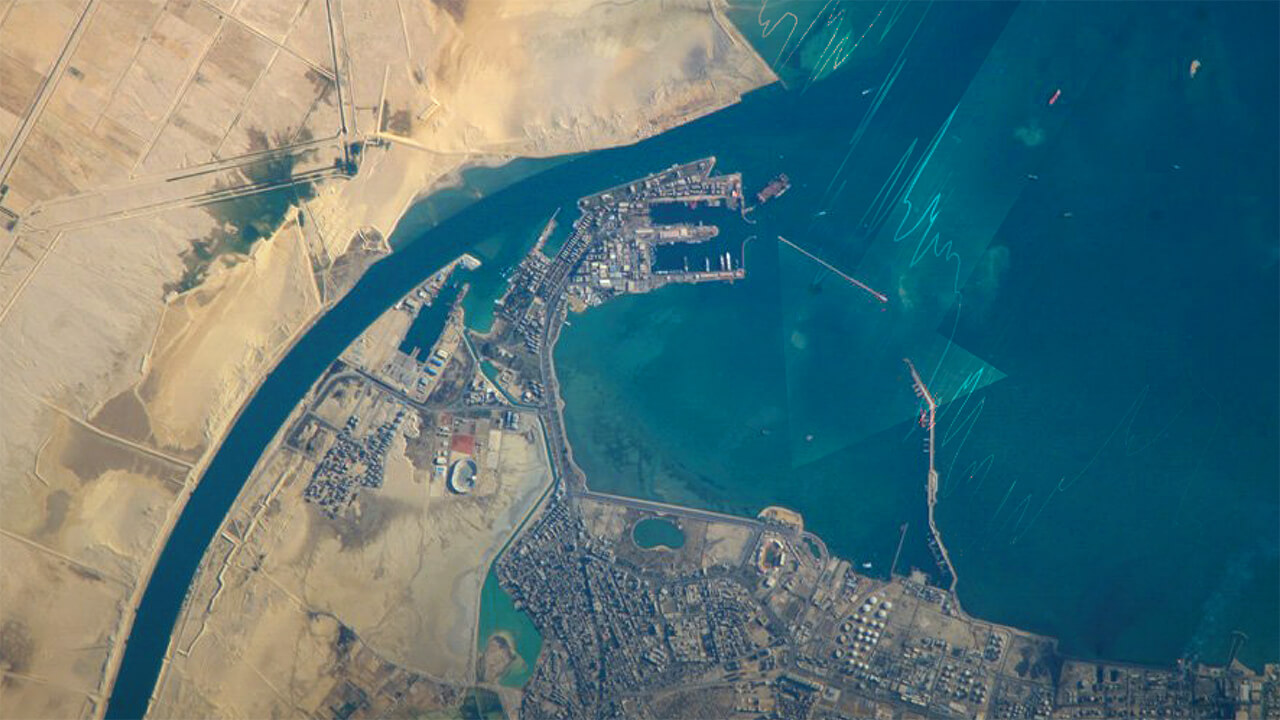
The Suez Canal is one of the world’s most significant maritime trade corridors. It serves as the link between the Mediterranean Sea and the Red Sea, facilitating the transport of goods between Asia and Europe.
The crisis in the Red Sea has naturally had a major impact on shipping in the region, prompting many shipping companies to seek alternative routes.
Although shipping traffic through the Suez Canal shows signs of recovery in 2026, the repercussions of the crisis are still being felt across the global supply chain.
Longer transit times, cost fluctuations, and uncertainty regarding deliveries are affecting business planning, making the effective management of supplies and inventory even more critical.
But how exactly does the crisis at the Suez Canal affect businesses today, and how can they mitigate its impact?
What is happening at the Suez Canal?
The crisis at the Suez Canal began in late 2023, when attacks on commercial vessels in the Red Sea caused serious disruption to international maritime transport.
For security reasons, many shipping companies were forced to alter their routes and opt for a path around the Cape of Good Hope, in southern Africa.
The result? This detour significantly increased distances—and, consequently, transit times and fuel consumption—thereby adding extra costs.
While some shipping routes may begin returning to the Suez Canal during 2026, the situation has not fully reverted to previous levels.
Ongoing risks to navigation continue to influence the decisions of shipping companies and create uncertainty regarding delivery timelines and the costs of transporting goods.
How does the crisis in the Suez Canal affect the supply chain?
The repercussions in the Suez Canal are not limited to maritime transport; they affect businesses at every stage of the supply chain.
From the procurement of raw materials to the delivery of finished products, delays and route changes create new challenges for daily operations.
But what are the primary impacts on businesses, and how do they affect their operations?
Longer transit times and delivery delays
Bypassing the Suez Canal by traveling around the Cape of Good Hope significantly increases the duration of maritime transport, particularly for routes between Asia and Europe.
Consequently, businesses face longer wait times for the receipt of raw materials and products—a situation that can impact production, inventory replenishment, and the timely fulfillment of orders.
For businesses that rely on regular imports, even a delay of just a few days can necessitate significant adjustments to their operational planning.
Increased maritime transport costs
Longer routes entail higher fuel consumption, extended travel times, and increased operating expenses for shipping companies.
Furthermore, risks in the Red Sea can lead to additional insurance premiums and fluctuations in freight rates.
A portion of these costs is passed on to businesses that import goods, thereby raising their total procurement costs. Depending on the industry and profit margins, these increases may ultimately affect product prices as well.
Challenges in Inventory Management
When lead times are inconsistent, businesses struggle to determine when and in what quantities to replenish their inventory. On one hand, delays can lead to product shortages. On the other, opting to maintain larger safety stocks increases storage costs and ties up capital that could otherwise be utilized for other needs.
Disruptions to Production and Order Planning
Delivery delays can also impact a business’s day-to-day planning.
For instance, a manufacturing company awaiting raw materials from abroad might need to reschedule its production, while a commercial enterprise may struggle to meet agreed-upon delivery deadlines.
In such scenarios, coordination between procurement, warehousing, production, and sales departments is essential, enabling businesses to adjust their planning in a timely manner and mitigate the impact of these delays.
Can businesses mitigate the impact on their supply chain?
While a business cannot eliminate geopolitical uncertainty, it can address it more effectively through proper organization and planning.
Certain practices that help strengthen supply chain resilience include:
- Supplier diversification: Reducing over-reliance on a single supplier or a specific geographic region.
- Reviewing lead times: Adjusting procurement planning to reflect actual transport conditions.
- Targeted safety stock management: Maintaining appropriate inventory levels for critical products and raw materials.
- Enhanced cross-departmental collaboration: Coordinating procurement, warehousing, production, and sales.
- Leveraging digital systems: Gathering reliable data to enable faster and more informed decision-making.
The Importance of a Resilient Supply Chain
The crisis in the Suez Canal demonstrates how easily a disruption in international transport can affect a business’s daily operations. Even events occurring thousands of kilometers away can lead to delays, product shortages, and increased costs.
Consequently, building a resilient supply chain is crucial; businesses must be able to adapt quickly to changes, monitor their inventory, and effectively coordinate procurement, production, and orders.
But how can they gain better control over these processes and respond more effectively to unforeseen circumstances?
How Does an ERP System Contribute to Supply Chain Management?
A modern ERP system can be a vital tool for businesses looking to strengthen the resilience of their supply chain. Through a unified environment, it connects key functions—such as procurement, sales, production, and inventory management—providing a comprehensive view of the company’s operations. For example, if a supplier reports a delay in the delivery of raw materials, a business can check its available stock, re-evaluate production requirements, and adjust its order scheduling.
Furthermore, integrating an ERP system with a Warehouse Management System (WMS) facilitates inventory tracking, the management of incoming shipments, and order fulfillment.
In this way, businesses gain a clearer view of their available resources, enabling them to make faster, well-informed decisions—even when conditions in international transport shift.
The crisis in the Suez Canal serves as a reminder that changes in international trade can directly impact any business’s operations. In an environment characterized by constant flux, sound organization and the effective use of technology are essential for maintaining a resilient supply chain.
Through its comprehensive ERP and WMS solutions, Hubin helps businesses organize their processes more efficiently, manage their inventory, and gain better control over their day-to-day operations.
Frequently Asked Questions about the Suez Canal Crisis
-
Why is the Suez Canal so important for global trade?
The Suez Canal is one of the most important maritime trade routes, as it connects the Mediterranean with the Red Sea and offers a shorter route between Europe and Asia. Large quantities of goods, raw materials, and energy products are transported through it daily.
-
By how much does transit time increase when ships bypass the Suez Canal?
Taking a detour via the Cape of Good Hope can add approximately 10 to 14 days to certain routes between Asia and Europe.
The exact delay depends on the ports of departure and destination, the vessel's speed, and transit conditions.
-
How does the crisis in the Suez Canal affect Greek businesses?
Greek businesses that import products or raw materials from Asia may face longer lead times and increased transportation costs.
These changes affect procurement planning, inventory management, and the availability of products in the Greek market.
-
How can an ERP help manage delays in the supply chain?
An ERP system allows businesses to monitor orders, available inventory, and procurement needs within a single environment.
This enables them to identify potential shortages, adjust their planning, and manage delivery delays more effectively.